Nutrition during infancy lays the foundation for a child’s lifelong health, growth, and development. Among the key elements of infant nutrition is caloric intake—the energy that fuels your baby’s body and brain. Ensuring your baby gets the right amount of calories is crucial for supporting proper weight gain, brain development, motor skills, and overall well-being.
In this guide, we’ll explore how many calories babies need, how those needs change as they grow, which foods provide the best energy sources, and how to recognize signs of over- or underfeeding.
What Are Calories and Why Do Babies Need Them?
A calorie is a unit of energy. In babies, calories are essential for:
- Growth and tissue development
- Brain maturation
- Muscle building
- Organ function
- Physical activity like crawling, rolling, and learning to walk
Babies need proportionally more calories per pound of body weight than adults because they’re growing rapidly—especially in the first year of life.
Caloric Needs by Age
Caloric needs for babies depend on age, weight, activity level, and individual health conditions. Here’s a general guideline:
| Age | Calories per Day (Average) |
|---|---|
| 0–3 months | 100–120 calories/kg/day (45–55 cal/lb/day) |
| 4–6 months | 95–115 calories/kg/day |
| 7–12 months | 80–100 calories/kg/day |
| 1–2 years | ~900–1,000 calories/day |
Note: These are averages. A pediatrician should assess your baby’s exact needs.
Calories from Breastmilk and Formula
In the first 6 months of life, breastmilk or infant formula provides all the necessary calories.
- Breastmilk: ~20 calories per ounce
- Infant formula: ~20 calories per ounce
How Many Ounces Do Babies Eat?
| Age | Average Intake | Total Calories/Day |
|---|---|---|
| 0–1 month | 16–24 oz/day | ~320–480 calories |
| 1–2 months | 20–28 oz/day | ~400–560 calories |
| 2–4 months | 24–32 oz/day | ~480–640 calories |
| 4–6 months | 26–36 oz/day | ~520–720 calories |
By 6 months, babies may begin solids—but breastmilk/formula remains their primary calorie source until 12 months.
Calories from Solid Foods (6–12 Months)
At around 6 months, solids are introduced gradually. While solids won’t immediately replace milk/formula calories, they become increasingly important.
By 8–12 months, babies may get up to 30–40% of their calories from solid food.
Top High-Calorie Foods for Babies
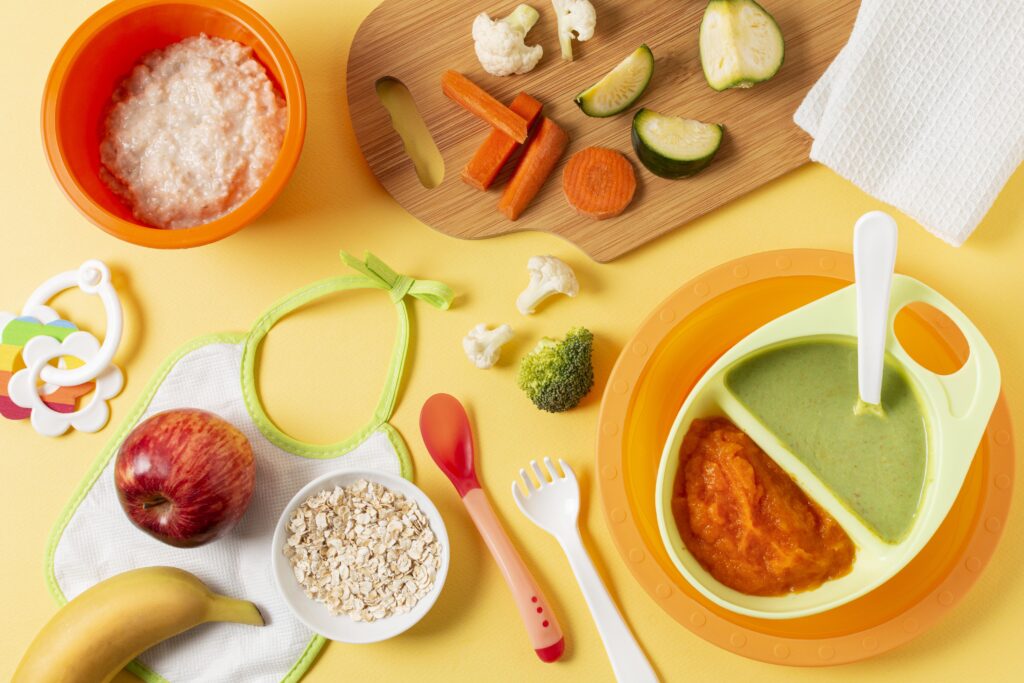
When your baby is ready for solids, introducing nutrient-dense, high-calorie foods helps meet their growing energy demands.
1. Avocado
- ~160 calories per 100g
- High in healthy fats
- Soft, easy to mash
2. Full-Fat Yogurt
- ~60–100 calories per 100g
- Provides calcium, fat, and protein
- Choose plain, unsweetened varieties
3. Whole Eggs
- ~70–80 calories per egg
- Packed with protein and healthy fats
- Can be boiled, scrambled, or mashed
4. Peanut Butter / Nut Butters
- ~90 calories per tablespoon
- Rich in fat and protein
- Mix with cereal or puree for safer texture
Caution: Introduce with allergy guidance from your pediatrician.
5. Sweet Potatoes
- ~90 calories per 100g
- Source of complex carbs and vitamin A
- Easy to cook and mash
6. Full-Fat Cheese
- ~100 calories per ounce
- Calcium-rich
- Good for finger foods (e.g., mozzarella cubes)
7. Banana
- ~89 calories per 100g
- Natural sugars and fiber
- Easily digestible and baby-friendly
8. Oatmeal
- ~150 calories per cup (cooked)
- Whole grain, filling, iron-rich
- Mix with fruit puree or breastmilk
How to Increase Baby’s Caloric Intake
If your baby is underweight or not gaining enough, here are ways to add more calories safely:
- Add healthy fats: Mix olive oil, avocado, or coconut oil into purees.
- Use nut butters: Blend smooth nut butters into oatmeal or yogurt.
- Offer small meals more frequently: 3 meals + 2–3 snacks per day by 9–12 months.
- Avoid low-fat foods: Babies need full-fat dairy and oils for brain development.
- Fortify foods: Add infant cereal to fruit/veg purees for more energy and iron.
Feeding Frequency by Age
| Age | Milk Feeds | Solid Meals/Snacks |
|---|---|---|
| 0–6 months | On demand (8–12 times/day) | None |
| 6–8 months | 4–6 milk feeds/day | 1–2 meals + 1 snack |
| 9–12 months | 3–4 milk feeds/day | 3 meals + 2 snacks |
Babies will naturally vary their intake depending on growth spurts, teething, and appetite.
Warning Signs of Too Few or Too Many Calories
Signs of Not Getting Enough Calories:
- Poor weight gain or weight loss
- Constant fussiness or lethargy
- Fewer wet diapers (less than 6/day)
- Developmental delays
- Trouble sleeping
Signs of Too Many Calories:
- Rapid weight gain (not always concerning)
- Vomiting or spitting up frequently
- Constipation or digestive discomfort
Always discuss feeding concerns with your pediatrician, especially if you notice changes in growth or behavior.
Sample 1-Day High-Calorie Meal Plan for a 9–12-Month-Old Baby
Breakfast
- Scrambled egg (with olive oil) – 80 cal
- Mashed avocado – 90 cal
- Oatmeal with fruit puree – 120 cal
Total: ~290 calories
Morning Snack
- Full-fat plain yogurt – 100 cal
- Banana slices – 45 cal
Total: ~145 calories
Lunch
- Mashed sweet potato with olive oil – 130 cal
- Shredded chicken – 100 cal
- Steamed peas – 50 cal
Total: ~280 calories
Afternoon Snack
- Peanut butter on soft toast – 120 cal
- Applesauce – 50 cal
Total: ~170 calories
Dinner
- Full-fat cheese cubes – 100 cal
- Quinoa and lentils – 150 cal
- Avocado mash – 90 cal
Total: ~340 calories
Total Solid Food Calories: ~1,225 calories
Plus breastmilk/formula (additional 300–500 cal/day as needed).
Common Questions About Baby Calories
1. Do breastfed babies get enough calories?
Yes, if feeding is frequent and baby is gaining well. After 6 months, solids add needed calories.
2. Can a baby eat too many calories?
It’s uncommon unless feeding is unbalanced or baby is inactive. Watch growth trends with your pediatrician.
3. Should I track every calorie?
No need unless advised. Focus on growth, hunger cues, and development.
4. What if my baby is a picky eater?
- Offer small portions frequently
- Try a variety of textures and colors
- Don’t pressure; patience is key
- Offer high-calorie foods they like
5. Are supplements or shakes safe for babies?
Only under medical supervision. Babies should get calories from real foods and milk/formula unless otherwise prescribed.
Healthy Weight Gain Tips for Underweight Babies
- Add a teaspoon of olive oil or butter to purees
- Focus on calorie-dense foods like avocado, cheese, yogurt, nut butters
- Serve meals in a quiet, distraction-free environment
- Ensure feeding sessions are not rushed
- Avoid juice, soda, or empty-calorie snacks
Foods to Avoid for Babies Under 1 Year
- Honey (risk of botulism)
- Whole nuts or thick nut butter globs (choking risk)
- Cow’s milk as primary drink (before 12 months)
- Added sugar and salt
- Processed or fried foods
- Choking hazards like popcorn, grapes (unless cut), raw carrots
Growth Monitoring and Caloric Needs
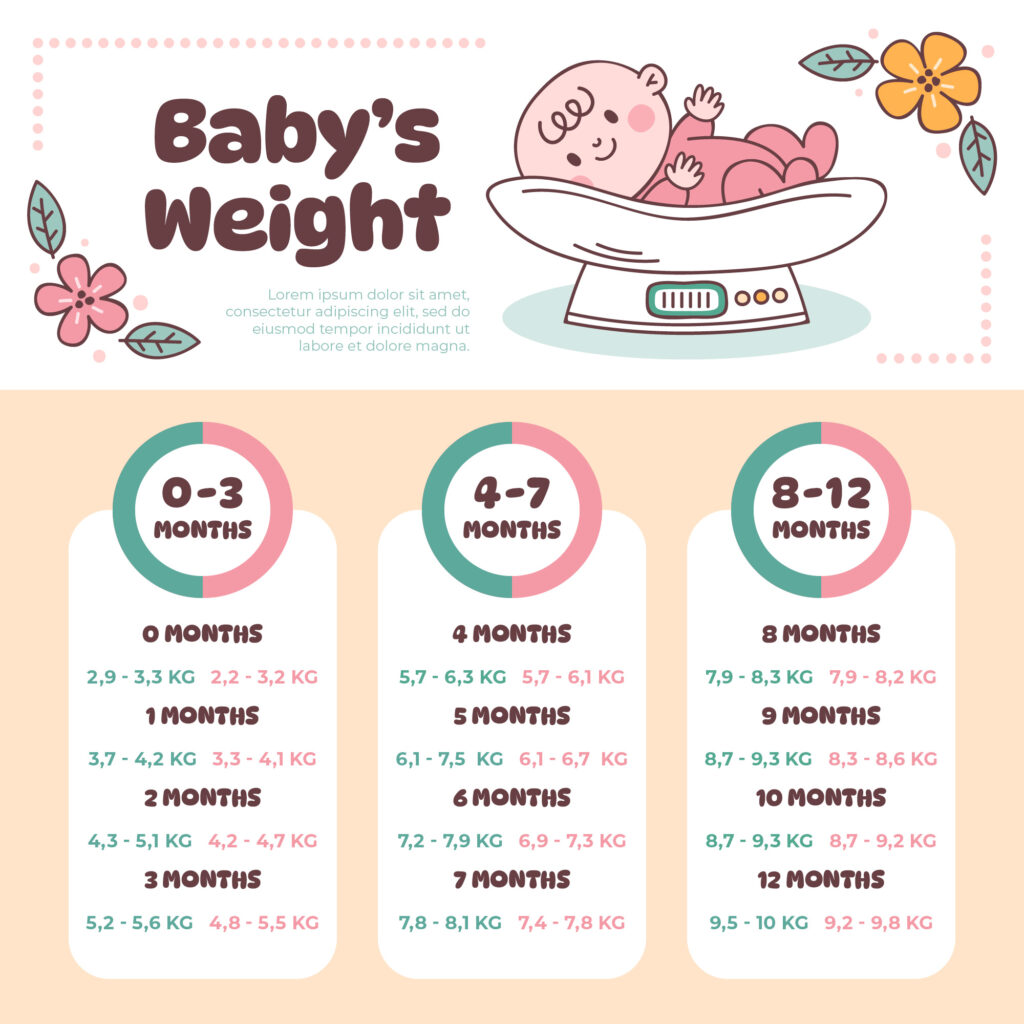
Pediatricians monitor baby growth using growth charts and percentiles. Caloric intake plays a major role in staying on a healthy curve.
If your baby falls below expected growth percentiles, your pediatrician may suggest:
- Increasing calorie density