Meta Description: Discover a detailed guide on baby physical growth — milestones, factors, stages, and tips to support your baby’s healthy development from birth to toddlerhood.
Welcoming a new baby into the world is one of life’s most beautiful moments. Along with the joy, however, comes a natural curiosity — and sometimes concern — about your baby’s physical growth. Parents often wonder: Is my baby growing properly? Are they gaining enough weight? When should they sit up, crawl, or walk?
Understanding baby physical growth is essential for every parent. It helps you know what to expect, what’s normal, and when to consult a pediatrician. This comprehensive guide will cover everything you need to know about your baby’s physical growth — from birth through toddlerhood — including growth charts, milestones, influencing factors, and practical tips to support healthy development.
Why Baby Physical Growth Matters
A baby’s physical growth is a key indicator of their overall health and nutrition. Proper growth shows that your baby is getting enough nutrients, proper care, and has no underlying medical conditions. Growth is not only about height and weight; it also includes head circumference, muscle development, bone strength, and motor skills.
Tracking your baby’s growth regularly allows you to identify potential concerns early and take necessary action. Pediatricians use standardized growth charts from the WHO (World Health Organization) or CDC (Centers for Disease Control and Prevention) to monitor your baby’s growth trends.
Stages of Baby Physical Growth
Let’s break down physical growth by age and stages:
1. Newborn Stage (0–1 Month)
Physical Growth:
- Average birth weight: 2.5 kg – 4 kg (5.5 – 8.8 lbs)
- Average length: 45 – 55 cm (18 – 22 inches)
- Head circumference: about 35 cm (14 inches)
What Happens:
- Babies may lose 5–10% of their birth weight in the first few days, but regain it by 2 weeks.
- Reflexes like rooting, sucking, and grasping are strong.
Parental Tip: Feed your baby on demand — breast milk or formula is the only food your newborn needs. Keep the baby warm, dry, and comfortable.
2. Infancy (1–12 Months)
This period shows the fastest growth in a baby’s life.
Weight:
- By 5 months: Baby’s weight usually doubles from birth weight.
- By 1 year: Weight triples.
Height:
- Gains about 25 cm (10 inches) in the first year.
- Average length at 12 months: ~75 cm (30 inches).
Head Circumference:
- Grows about 1 cm per month for the first 6 months.
- Slows down after that.
Motor Milestones:
- 2–4 months: Holds head up, pushes up when lying on tummy.
- 4–6 months: Rolls over, begins to sit with support.
- 6–9 months: Sits without support, starts crawling.
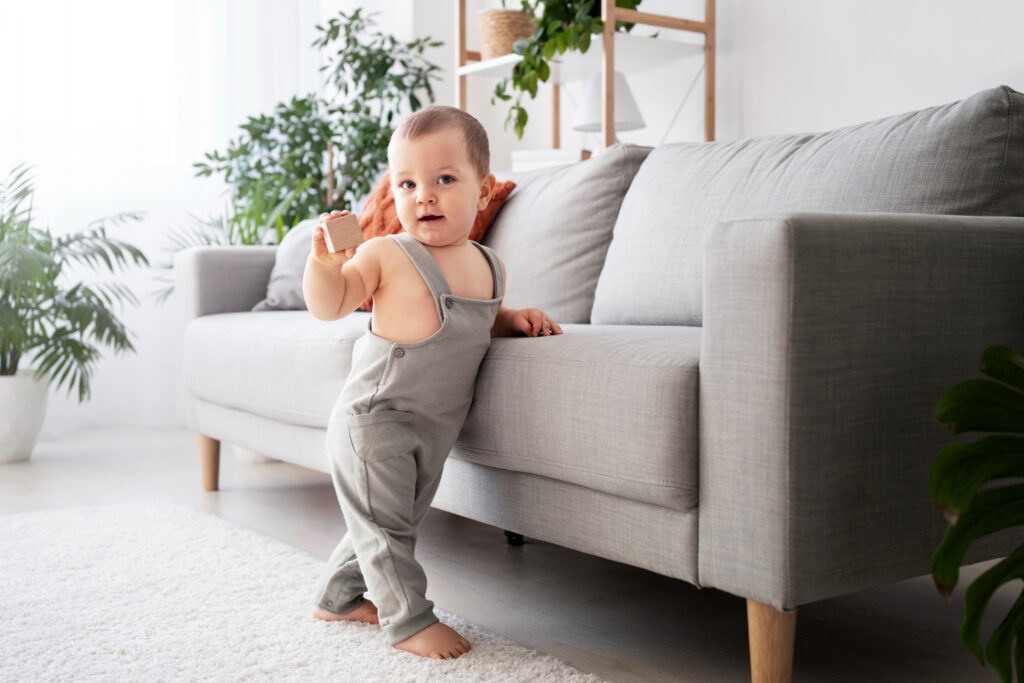
- 9–12 months: Pulls to stand, cruises along furniture, may take first steps.
Parental Tip: Provide tummy time daily to strengthen neck and shoulder muscles. Ensure a safe space for exploration.
3. Toddler Stage (1–3 Years)
Weight:
- Gain slows to about 2–3 kg (4–6 lbs) per year.
- By age 2, weight is about four times the birth weight.
Height:
- Grow about 12 cm (5 inches) between ages 1–2.
- After age 2, growth slows to about 6–8 cm (2.5–3 inches) per year.
Motor Milestones:
- Walks independently.
- Climbs stairs with help.
- Runs, kicks a ball.
- Begins to scribble and stack blocks.
Parental Tip: Encourage playtime, outdoor activity, and safe exploration. This stage lays the foundation for future physical skills.
Factors That Affect Baby Physical Growth
Every baby grows at their own pace, but several factors influence growth:
1. Genetics
Parental height and body structure play a major role in how tall or big a child may grow.
2. Nutrition
Breastfeeding or formula provides essential nutrients in the first year. Gradual introduction of solid foods after 6 months helps meet nutritional needs.
3. Health Conditions
Chronic illnesses, infections, or hormonal imbalances can affect growth.
4. Environment
Clean surroundings, enough sleep, and stimulation help babies grow well.
5. Emotional Wellbeing
A loving, stress-free environment impacts physical and mental growth. Babies thrive with love and attention.
Understanding Growth Charts
Doctors use growth charts to compare your baby’s growth to other babies of the same age and gender.
Key metrics:
- Weight-for-age
- Length/height-for-age
- Head circumference-for-age
- Weight-for-length (to assess if weight is appropriate for length)
Growth percentiles show where your baby stands. For example, if your baby is in the 50th percentile for weight, it means they are heavier than 50% of babies their age.
Important: Percentiles are just a guide. It’s the trend over time that matters most.
When Should You Be Concerned?
It’s normal for babies to grow in spurts and plateaus. However, consult your pediatrician if you notice:
- No weight gain for over 2 weeks in a newborn.
- Baby is not reaching expected milestones.
- Sudden drop in growth percentiles.
- Head growth stops or rapidly increases.
- Baby seems weak, lethargic, or not feeding well.
Early intervention helps prevent future complications.
Tips to Support Healthy Physical Growth
Here’s how you can support your baby’s healthy growth naturally:
1. Breastfeed Exclusively for 6 Months
Breast milk provides complete nutrition and antibodies that help your baby grow well.
2. Introduce Nutritious Solid Foods
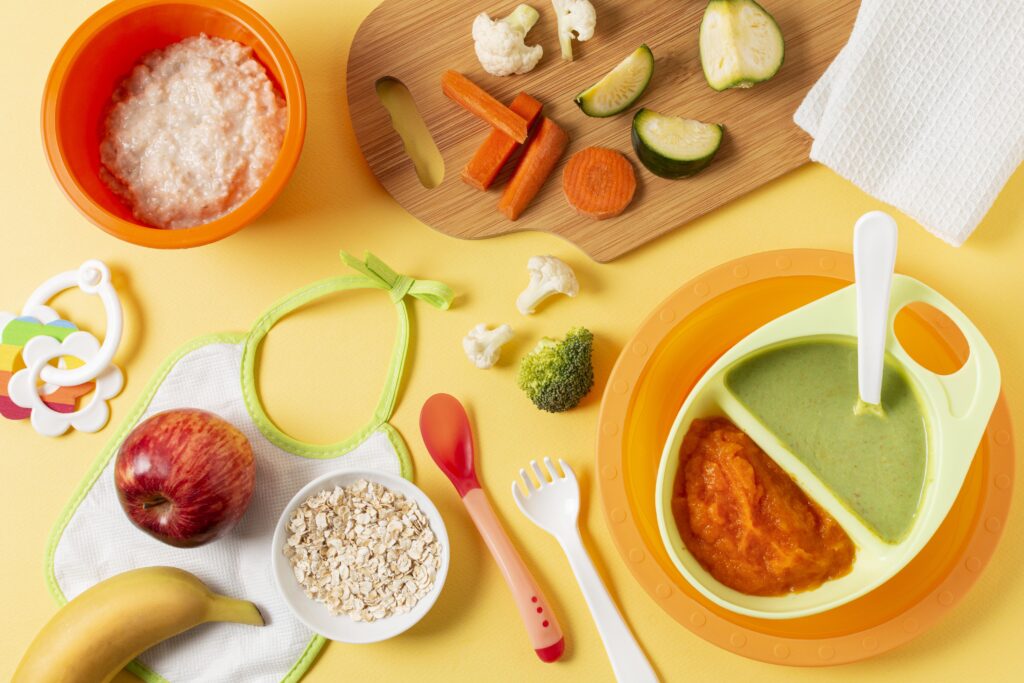
After 6 months, start with iron-rich purees, mashed fruits, and vegetables. Avoid added sugar and salt.
3. Create a Safe Play Space
Encourage movement. Let your baby roll, crawl, and explore in a safe environment.
4. Provide Tummy Time Daily
Helps strengthen neck, shoulder, and back muscles.
5. Ensure Quality Sleep
Babies need 14–17 hours of sleep a day in the first few months. Good sleep supports hormone release needed for growth.
6. Keep Regular Pediatric Check-ups
Routine visits help monitor growth, vaccination, and overall health.
7. Offer Lots of Love
Emotional bonding boosts brain and body development.
Common Myths About Baby Growth
Let’s bust a few myths:
Myth 1: Chubby babies are always healthy.
Truth: Healthy babies come in all sizes. Excess weight can also be unhealthy.
Myth 2: Solid foods should start at 3–4 months.
Truth: The WHO recommends exclusive breastfeeding for 6 months.
Myth 3: Formula-fed babies grow faster.
Truth: Both breastfed and formula-fed babies can grow well. Growth rates may differ slightly but both are healthy if well-nourished.
Encouraging Physical Development Through Play
Playtime is more than fun — it’s essential for growth.
Ideas for Physical Play:
- Floor gyms for newborns.
- Soft toys to reach and grab.
- Balls for crawling babies.
- Push toys for cruising toddlers.
- Stacking blocks and puzzles for toddlers.
Always supervise play to prevent accidents.
When to See a Specialist
If your pediatrician suspects growth delays, they may refer you to:
- Pediatric endocrinologist (for hormonal issues)
- Nutritionist (for feeding and diet concerns)
- Physical therapist (for motor skill delays)
Early care makes a big difference.
Key Takeaways
✅ Every baby grows at their own pace.
✅ Track growth trends, not just numbers.
✅ Good nutrition, love, sleep, and play are essential.
✅ Consult your doctor if you have concerns.
Final Words
Watching your baby grow is a joyful journey full of tiny miracles — the first smile, the first roll, the first step. While it’s normal to worry about your baby’s physical growth, remember that babies are unique. Comparing them to others often creates unnecessary stress.
Trust your instincts, keep regular check-ups, provide a nurturing environment, and enjoy each moment. With the right care and love, your baby will grow strong and healthy.
Did you find this guide on baby physical growth helpful?
Feel free to share your experiences and questions in the comments below. Let’s help every parent feel confident about their baby’s amazing journey of growth! 💕