
Introduction
As parents, ensuring your baby stays healthy and well-nourished is always a top priority. While most people pay close attention to nutrition and sleep, hydration is often overlooked — yet it is equally vital for your baby’s growth, development, and overall well-being. Proper hydration helps regulate body temperature, supports digestion, cushions joints, and keeps the skin healthy.
In this ultimate guide, we will cover everything you need to know about baby hydration — from understanding how much fluid your baby needs, to recognizing signs of dehydration, safe drinks for babies, and expert tips to keep your little one happily hydrated.
Why Is Hydration So Important for Babies?
Babies are made up of more water than adults. At birth, about 75% to 80% of a baby’s body weight is water, compared to about 55% to 60% in adults. This high water content means that babies can lose fluids quickly, making them more vulnerable to dehydration.
Hydration is crucial for babies because it:
- Helps maintain healthy body temperature
- Supports vital organs like the kidneys and brain
- Aids digestion and prevents constipation
- Carries nutrients to cells
- Flushes out waste through urine
Given how essential water is for these functions, parents need to be aware of how to provide enough fluids appropriately and safely.
How Much Fluid Do Babies Need?
The amount of fluid a baby needs depends on their age, weight, and overall health.
1. Newborns (0-6 Months)
For newborns and infants up to six months old, breast milk or infant formula provides all the necessary hydration. You do not need to give water or other fluids at this stage. Breast milk is about 88% water, which perfectly fulfills a baby’s fluid needs.
Recommended intake:
- Newborns usually feed every 2-3 hours, about 8-12 times a day.
- Formula-fed babies typically consume about 2.5 ounces per pound of body weight per day.
Important: Giving water to newborns can be dangerous because it may fill their tiny stomachs, reduce milk intake, and risk a condition called water intoxication which can disturb the body’s electrolyte balance.
2. Babies (6-12 Months)
Once your baby starts solids, around six months of age, you can offer small sips of water in addition to breast milk or formula. The main source of hydration should still be milk feeds.
Recommended intake:
- 4-8 ounces (about 120-240 ml) of water per day is sufficient at this age.
- Continue breastfeeding or formula feeding on demand, usually 4-6 times a day.
When Can Babies Drink Plain Water?
Babies can start drinking small amounts of plain, safe drinking water when they begin solids, typically around 6 months old. Before 6 months, avoid giving water unless specifically advised by your pediatrician.
Best Drinks for Babies
Here’s what you should and shouldn’t give to keep your baby hydrated:
✅ Safe Drinks:
- Breast Milk: Gold standard for nutrition and hydration.
- Infant Formula: For formula-fed babies.
- Small amounts of plain water: After six months.
- Occasionally: Homemade clear soups or diluted fruit purees under pediatric advice.
❌ Avoid:
- Juices (not recommended under 12 months — high sugar, tooth decay risk)
- Sugary drinks or soda
- Cow’s milk before 12 months (hard to digest, low in iron)
- Herbal teas (unless recommended by a doctor)
Signs of Dehydration in Babies
Since babies can’t tell you when they’re thirsty, it’s crucial to watch for signs of dehydration, especially during hot weather, illness, or diarrhea.
Common signs include:
- Fewer wet diapers (less than 6 in 24 hours)
- Dark yellow urine
- Dry mouth, lips, or cracked lips
- No tears when crying
- Sunken soft spot (fontanelle) on the head
- Unusual sleepiness or fussiness
- Cold or blotchy hands and feet
If you notice these signs, contact your pediatrician immediately. Severe dehydration can be dangerous and requires medical care.
Tips to Keep Your Baby Hydrated
Keeping your baby hydrated doesn’t have to be complicated. Here are some practical tips:
1. Breastfeed or Bottle-feed Often
Offer feeds frequently, especially during hot weather, fevers, or when traveling.
2. Offer Water in Small Sips (6+ Months)
Use a sippy cup or open cup to encourage healthy drinking habits. Always use clean, safe water.
3. Include High-Water Foods
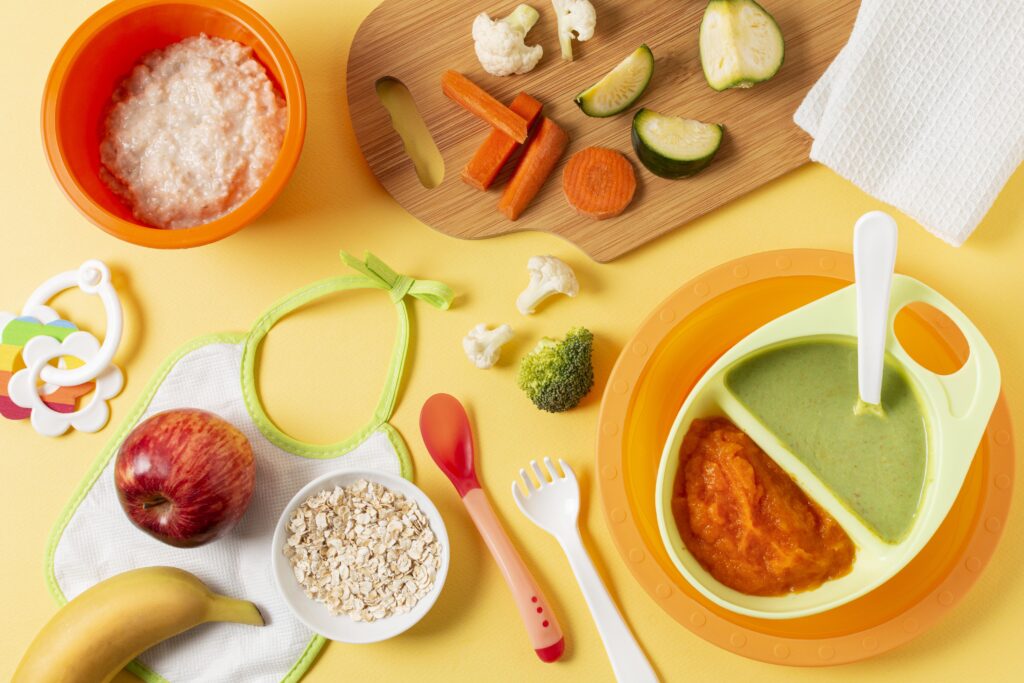
For babies eating solids, offer foods with high water content like pureed fruits (watermelon, oranges, pears), and vegetables (cucumber, zucchini).
4. Watch for Illness
During diarrhea or vomiting, babies lose fluids quickly. Follow your doctor’s advice for oral rehydration solutions (ORS) if needed.
5. Keep It Fun
Let your baby explore a baby-friendly water bottle or colorful sippy cup to make drinking water interesting.
What to Do During Hot Weather
Babies can get dehydrated faster in hot or humid climates. Here’s how to protect them:
- Dress your baby in lightweight, breathable clothes.
- Keep them in shaded, cool areas.
- Offer breast milk or formula more often.
- Offer small sips of water (if older than 6 months).
- Never leave a baby in a parked car.
Hydration During Illness
Babies are more prone to dehydration when they are sick, especially with fever, vomiting, or diarrhea.
Tips:
- Offer smaller, more frequent feeds.
- Keep breastfeeding if possible.
- Use pediatrician-recommended rehydration fluids if necessary.
- Watch for worsening dehydration signs and seek medical help immediately.
Hydration and Solid Foods
When your baby starts eating solids, hydration needs change slightly. Solid foods add variety and some extra fluids, but breast milk or formula still provides most of the hydration.
Good hydrating foods include:
- Mashed fruits: watermelon, oranges, peaches
- Cooked vegetables: carrots, spinach, zucchini
- Soups and broths (without added salt)
Avoid adding salt or sugar, which can strain tiny kidneys and disrupt hydration.
Travel and Baby Hydration
Traveling with babies can disrupt feeding schedules. Here’s how to maintain hydration on the go:
- Pack enough bottles or expressed breast milk.
- Bring a clean sippy cup and safe drinking water for babies older than 6 months.
- Keep baby cool and shaded.
- Watch for dehydration signs during flights or long car trips.
Can Babies Drink Too Much Water?
Yes — babies under one year can develop water intoxication if they drink too much water. This can dilute the sodium levels in their blood, leading to seizures or other health risks. Always follow pediatric guidelines for safe water amounts.
When to Call a Doctor
Call your baby’s doctor if your baby:
- Shows signs of dehydration
- Refuses feeds for several hours
- Has dry diapers for 6+ hours
- Has sunken eyes or fontanelle
- Seems unusually sleepy or unresponsive
Common Myths About Baby Hydration
Myth 1: Babies need water in hot weather even if they’re under 6 months.
Truth: Breast milk or formula alone is enough before 6 months.
Myth 2: Giving juice is a good way to hydrate.
Truth: Juice is unnecessary for babies under 12 months and adds excess sugar.
Myth 3: Adding water to formula saves money and hydrates better.
Truth: Diluting formula can be dangerous — always follow mixing instructions exactly.
Final Thoughts
Hydration plays a vital role in your baby’s healthy development. By understanding your baby’s fluid needs at each stage, offering safe drinks, watching for signs of dehydration, and taking extra care during illness or hot weather, you can help your baby thrive.
Remember, when in doubt — always consult your pediatrician about any concerns related to your baby’s hydration.
Your baby’s health and comfort start with simple steps — and staying properly hydrated is one of the easiest, most important ones.
Key Takeaways:
- Babies under 6 months should not drink plain water — breast milk or formula is enough.
- After 6 months, small sips of water are safe alongside milk feeds.
- Watch for dehydration signs and act quickly if needed.
- Avoid sugary drinks and stick to age-appropriate fluids.
- Keep your baby cool, comfortable, and well-fed.
FAQs About Baby Hydration
Q1. Can I give my newborn water?
A: No — babies under 6 months get all needed fluids from breast milk or formula.
Q2. How much water can I give my 7-month-old?
A: About 4–8 ounces (120–240 ml) per day is safe, but milk feeds are still primary.
Q3. What if my baby won’t drink water?
A: It’s normal for babies to prefer milk. Offer water in small sips using fun cups and provide hydrating fruits and veggies.
Q4. Should I give water when my baby has a fever?
A: For babies under 6 months, feed breast milk or formula more often. Older babies can have small sips of water too.
Q5. Is it OK to add water to formula?
A: Only add the exact amount specified on the formula package. Never dilute formula further to add more water.
Conclusion
Being mindful of your baby’s hydration needs is one of the simplest ways to safeguard their health and comfort. With this knowledge, you can confidently support your baby’s growth, prevent dehydration, and build healthy habits for life.
Stay aware, stay prepared — and keep your baby happily hydrated!
Meta Description: Learn all about baby hydration, how much water babies need, safe drinks for infants, dehydration signs, and tips for keeping your baby healthy and hydrated.