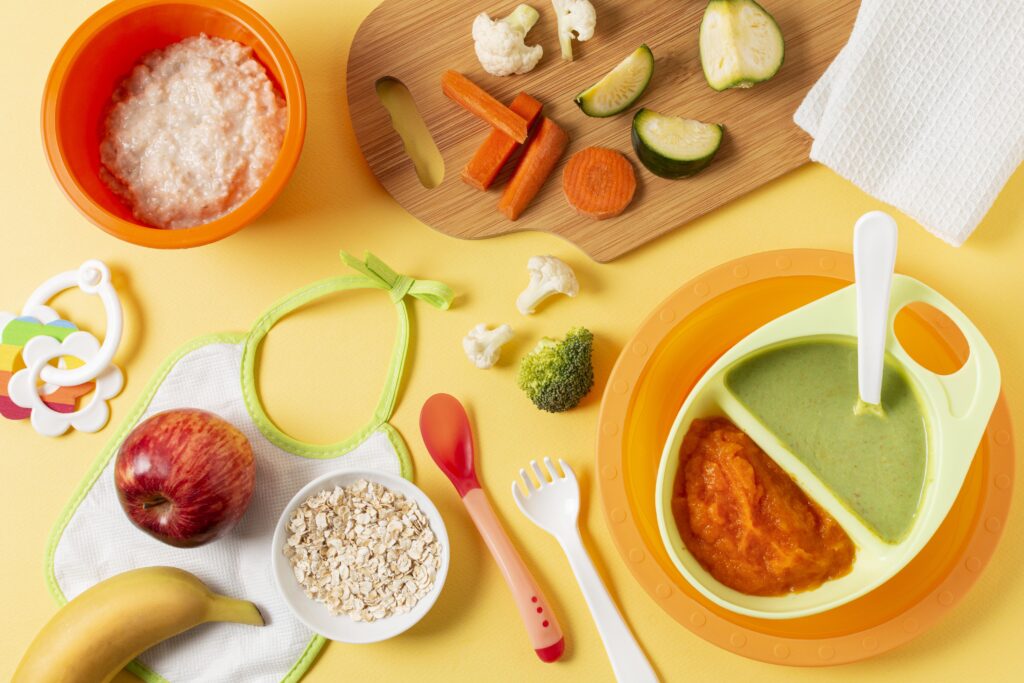
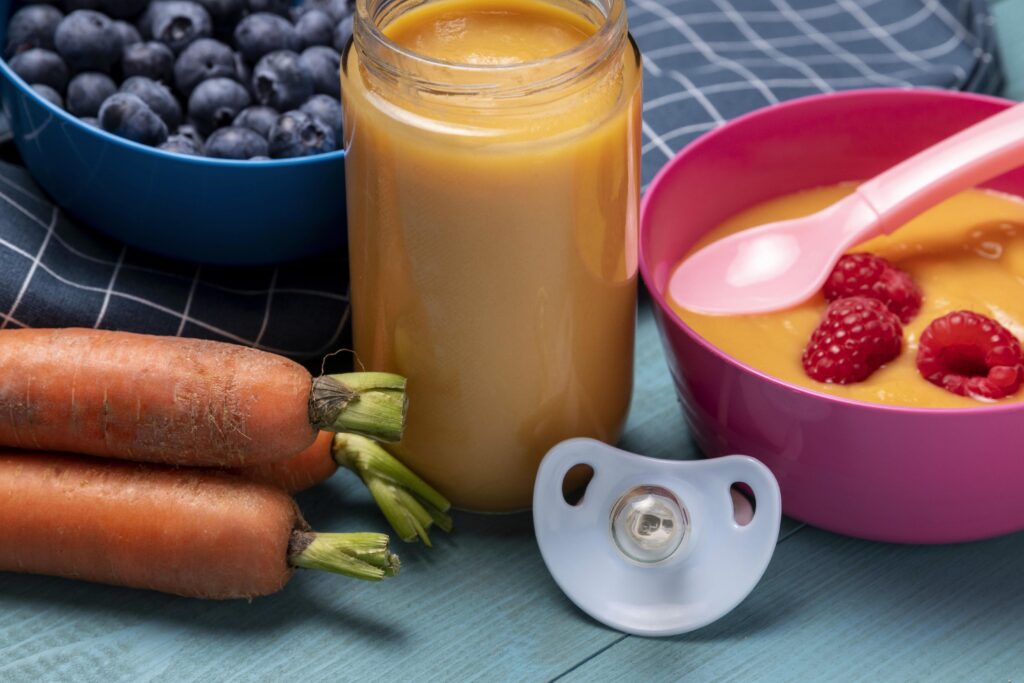
Iron is a vital mineral that plays a crucial role in your baby’s growth and development, especially in brain development, muscle function, and the formation of healthy red blood cells. Babies are born with a supply of iron, but by around six months of age, that supply begins to diminish. This makes it essential to introduce iron-rich foods into their diet at the right time.
In this guide, we’ll explore everything parents need to know about iron for babies, including why it’s important, the best iron-rich foods (both animal and plant-based), how to maximize iron absorption, and helpful meal ideas.
Why Iron Is Important for Babies
Iron helps in the creation of hemoglobin, a protein in red blood cells that carries oxygen throughout the body. Without enough iron, your baby may develop iron-deficiency anemia, which can lead to:
- Fatigue and weakness
- Pale skin
- Slow weight gain
- Developmental delays
- Poor appetite
Since your baby is growing rapidly in the first year of life, meeting iron needs is crucial.
How Much Iron Do Babies Need?
The American Academy of Pediatrics (AAP) and World Health Organization (WHO) recommend the following daily iron intake:
- 0–6 months: 0.27 mg/day (from body stores and breastmilk)
- 7–12 months: 11 mg/day
After six months, breastmilk alone no longer meets your baby’s iron needs, so introducing iron-rich solids becomes a priority.
Types of Iron: Heme vs. Non-Heme
There are two forms of iron found in foods:
- Heme Iron – Found in animal sources like meat, poultry, and fish. It is easily absorbed by the body.
- Non-Heme Iron – Found in plant-based foods like beans, lentils, and cereals. It is less efficiently absorbed but still beneficial.
You can help improve the absorption of non-heme iron by combining it with vitamin C-rich foods like oranges, strawberries, tomatoes, and bell peppers.
Top Iron-Rich Foods for Babies
1. Iron-Fortified Baby Cereals
Iron-fortified infant cereals are among the first solid foods pediatricians recommend. These cereals are enriched with iron and are easy to digest.
Examples:
- Rice cereal
- Oatmeal cereal
- Multigrain cereal
Serving Tip: Mix with breastmilk or formula and spoon-feed to your baby.
2. Meat and Poultry
These are excellent sources of heme iron and provide other essential nutrients like zinc and protein.
Iron-Rich Meats:
- Beef
- Lamb
- Turkey
- Chicken (especially dark meat)
- Liver (in small amounts due to high vitamin A)
Preparation Tips:
- Cook thoroughly and puree or finely mince
- Mix with mashed vegetables or cereals
3. Fish and Shellfish
Some fish offer high amounts of iron and omega-3 fatty acids, which are important for brain development.
Best Options:
- Salmon
- Tuna
- Sardines
- Mackerel
- Shrimp
Avoid high-mercury fish like swordfish or king mackerel.
4. Legumes
Legumes are rich in non-heme iron and great for plant-based diets.
Iron-Packed Legumes:
- Lentils
- Chickpeas
- Black beans
- Kidney beans
- Soybeans
Serving Ideas:
- Cook and mash into a smooth consistency
- Combine with mashed sweet potatoes or rice
5. Dark Leafy Greens
While not the easiest first food, dark leafy greens are powerhouses of non-heme iron and nutrients.
Good Choices:
- Spinach
- Kale
- Swiss chard
Preparation Tip: Steam and puree with a bit of olive oil and vitamin C-rich veggies like tomatoes or carrots.
6. Tofu and Tempeh
Made from soybeans, tofu and tempeh are rich in non-heme iron and suitable for vegetarian and vegan babies.
Serving Suggestions:
- Soft tofu can be mashed and served plain or mixed with fruit
- Cooked tempeh can be crumbled into baby-friendly finger food
7. Eggs (especially yolks)
Egg yolks are rich in iron and easy to prepare.
Serving Ideas:
- Hard-boiled and mashed with breastmilk or formula
- Scrambled and cut into small pieces
Introduce egg yolks around 6 months, watching for signs of allergy.
8. Iron-Fortified Snacks
As your baby grows, you can introduce iron-fortified snacks like:
- Iron-rich baby puffs
- Iron-enriched biscuits
- Fortified oatmeal bars (age-appropriate)
Always check ingredient labels and serve under supervision.
9. Whole Grains
Whole grains like quinoa, amaranth, brown rice, and oats contain good amounts of non-heme iron.
Preparation Tip: Cook until soft and blend with fruit or vegetables for a balanced meal.
10. Dried Fruits (for older babies)
Once your baby is chewing well, dried fruits like apricots, prunes, and raisins can be introduced in mashed or chopped form. These fruits contain iron and fiber.
Caution: Avoid choking hazards by finely chopping or soaking and mashing dried fruits.
Boosting Iron Absorption: Smart Food Pairings
Pairing iron-rich foods with vitamin C sources can dramatically increase iron absorption.
Great Combos Include:
- Lentils + mashed tomatoes
- Iron-fortified cereal + mashed strawberries
- Chicken + sweet potato
- Spinach + citrus fruits
Avoid giving milk (especially cow’s milk before age 1), tea, or calcium-rich foods with iron meals, as calcium can interfere with iron absorption.
Signs of Iron Deficiency in Babies
Watch out for:
- Pale skin
- Irritability
- Fatigue or sluggishness
- Slow growth
- Poor appetite
- Frequent infections
If you suspect iron deficiency, consult your pediatrician. They may recommend a blood test or iron supplements if needed.
Sample Iron-Rich Meal Plan for a 7–12 Month Baby
Breakfast:
- Iron-fortified oatmeal + mashed banana + breastmilk
- Small spoon of mashed prunes for dessert
Lunch:
- Pureed chicken + steamed carrots (vitamin C)
- Mashed quinoa with olive oil
Snack:
- Mashed avocado with a squeeze of lemon
- Iron-fortified snack puff (age-appropriate)
Dinner:
- Lentil and spinach puree with sweet potato
- Applesauce (vitamin C boost)
Tips for Parents Introducing Iron-Rich Foods
- Start Slow: Introduce one food at a time and watch for allergic reactions.
- Use Variety: Offer both heme and non-heme iron foods to ensure a balanced diet.
- Make It Fun: Use colorful, soft-textured meals to encourage interest.
- Repeat Exposure: Babies may need to try new foods 8–10 times before accepting them.
- Use Iron Supplements Only if Prescribed: Don’t self-prescribe iron drops unless advised by your doctor.
Common Questions from Parents
1. Can breastfed babies become iron deficient?
Yes. While breastmilk has highly absorbable iron, its overall content is low. After 6 months, breastfed babies need iron-rich solids or supplements.
2. Should I give my baby cow’s milk for iron?
Avoid cow’s milk before 12 months. It can interfere with iron absorption and may cause gut irritation and blood loss in some infants.
3. Are iron supplements safe for babies?
Only give supplements if recommended by a healthcare provider. Excess iron can cause side effects and should be avoided without guidance.
Conclusion
Iron is essential for your baby’s healthy development, particularly between 6 and 12 months when growth is rapid and dietary iron becomes necessary. By offering a variety of iron-rich foods—from meats and fortified cereals to leafy greens and legumes—you’ll be supporting your baby’s cognitive and physical development.
Always pair iron-rich foods with vitamin C sources to boost absorption, watch for deficiency signs, and consult your pediatrician if you have concerns.
With some planning, creativity, and love, you can ensure your baby gets the nutrients they need for a bright and healthy future.